Pasadena sits on a patchwork of alluvial soils where summertime heat sticks around and winter season storms periodically struck hard. That combination makes stormwater management, heat mitigation, and long term toughness real style concerns for any paver patio, driveway, or yard. Over the last years, permeable paver systems have moved from niche information to a practical standard for a number of our hardscape jobs across the San Gabriel Valley. They deal with water much better Ridgeline Outdoor Living Co than concrete, they age gracefully, and they open innovative doors in outdoor living design that standard pieces struggle to match.
This is a close look at how permeable pavers work, where they shine in Pasadena's conditions, where they do not, and what it requires to get them right. It draws on jobsite lessons from historical cottages in Cottage Heaven to hillside lots near the Arroyo, and from compact front yard landscaping in Madison Heights to bigger backyard landscaping projects that blend xeriscape landscaping and outdoor patio building in East Pasadena.
Why permeable make good sense in Pasadena
Rainfall in Pasadena averages in the high teens annually, however totals inform only part of the story. A dry fall can flip to a January with a couple of heavy cells that discard a fast inch, overwhelm downspouts, and turn driveways into flumes. In older communities, narrow parkways and fully grown trees complicate grading. Numerous parcels are flat with high runoff capacity, and others have mild fall toward neighbors or sidewalks where you do not desire water crossing property lines. Include solidified surface areas from years of additions and you get frequent yard drainage headaches.
Permeable pavers take on the first hour of a storm effectively. Rather of shunting water into a drain, the joint openings and the stone tank listed below receive and temporarily store it. Well developed systems penetrate to native soil in between storms and can divert extra water into a regulated outlet when required. For our hardscape design in Pasadena, where clients also want dry spell tolerant garden areas, water smart landscaping, and synthetic grass setup that does not turn the lawn into a sealed bowl, permeable paving helps the entire site work together.
Heat is the second reason. Concrete and dark asphalt radiate kept heat into the evening. A lighter, textured permeable paver surface coupled with greenery and artificial turf can minimize surface temperatures a visible couple of degrees in summertime. You feel it when you step out barefoot near dusk to water tomatoes or when kids stumble upon the courtyard after school.
How a permeable paver system really works
Picture a layered assembly. The paver units on the top look like traditional concrete pavers, but they have beveled edges and wider joints filled with little tidy stone so that water passes through. Under the pavers, rather of a compacted bed of fines and base rock, you have a series of open graded stone layers that act as both structure and reservoir.
A common accumulation for patio areas and light task residential driveways appears like this, top to bottom:
- Pavers that fulfill ASTM C936 for interlocking concrete pavers, generally 60 to 80 millimeters thick depending upon load. Many manufacturers use permeable lines that mix well with non-permeable sets when you need transitions. Joint aggregate, frequently a tidy No. 8 or 89 stone, swept and vibrated into the joints to lock the surface area and allow infiltration. Bedding layer, about 1.5 to 2 inches of tidy No. 8 stone, not sand. This bridges the reservoir and keeps the pavers even. Reservoir, usually 6 to 12 inches of clean No. 57 stone for outdoor patios, and 10 to 18 inches for driveways depending on soils and storm targets. The reservoir both supports loads and stores water. Filter material at the bottom or sides just when required to separate fines, not covered like a burrito unless the design calls for a completely lined storage bed. Prepared subgrade that is real to airplane, steady, and able to absorb water where infiltration is intended.
That open graded aggregate is the secret. It brings the compressive load while leaving void area, frequently 30 to 40 percent, for water storage. Compare that to class 2 base or a sand bed that would seal off seepage. As a paver specialist in Pasadena, we evaluate the native soils on site. In a few of the cobbly, sandy loams near the Arroyo, you can get excellent infiltration without an underdrain. In heavier alluvial clays in northeast Pasadena, we frequently include a perforated underdrain set low in the reservoir to move excess water to a regulated discharge point.
Where permeable excels and where caution is warranted
On flat parcels with minimal fall to the street, permeable pavers can get rid of or considerably minimize the need for area drains and long pipeline runs that blockage with roots. We have actually changed more than one heaved concrete driveway with a permeable paver driveway that lastly ended the seasonal ponding and algae. On hillside cuts, a permeable band below a retaining wall setup helps bleed off perched water that would otherwise develop behind the wall face.
They are likewise flexible surfaces. Unlike concrete slabs that crack and telegraph every soil motion, interlocking pavers distribute loads, and the flexible joints tolerate minor settlement. After a winter season with a couple of heavy storms, a team can lift a low corner, regrade the bedding stone, and reset the pavers. You do not patch fractures, you restore the surface.
There are limits. If your site sits on remarkably slow soils, say less than a half inch per hour seepage even after scarifying and changing the subgrade, you must develop with an underdrain and a positive outlet. If groundwater is shallow or you have a springy lot, infiltration storage might be limited by code or common sense. On high driveways, a totally permeable area can be tough, and a hybrid makes more sense, with permeable parking pads and non-permeable travel lanes that shed to landscape swales.
Tree roots need a word here. Pasadena's metropolitan canopy is a treasure, and roots will chase after oxygen and moisture. We coordinate with certified arborists, utilize root barriers tactically, and define joint aggregates that will not rinse. Permeable pavers over a coarser tank can actually improve the oxygen exchange near roots compared to a slab, but big surface area roots from mature camphors or ficus still call for careful detailing and potentially a different layout.
Permeable versus traditional: a fast homeowner comparison
- Storm performance: Permeable surface areas store and infiltrate water on website, lowering puddles and overflow. Standard pavers or concrete count on drains pipes and accurate slope. Maintenance: Permeable requirements routine vacuum sweeping to clear fines from joints. Concrete requirements crack repair work and sealing, and traditional paver joints may require re-sanding. Longevity: Both systems can last years with care. Permeable pavers hold up well considering that the surface area can be re-leveled without demo, and freeze cycles are minimal here. Aesthetics: Both provide substantial color and texture choices. Permeable brochures now consist of modern large formats, toppled sets for artisan homes, and slab styles. Cost: Anticipate permeable paver installation to run approximately 10 to 25 percent more than a similar non-permeable paver task, primarily due to the open graded stone reservoir and more in-depth preparation. Website conditions can move that range up or down.
The Pasadena code and drain reality check
Cities throughout Los Angeles County keep tightening up requirements on stormwater. Pasadena follows local MS4 license objectives, which normally motivate on-site retention where practical. For single household tasks, we regularly reveal permeable hardscape on strategies and, when required, determine surface storage volume to satisfy very first flush goals for a common style storm. On little remodels or replacement-in-kind, you may not face an official submittal, however inspectors progressively try to find useful procedures that keep overflow on site.
We do not promise rebates unless a program is validated and active, but customers ought to ask about local incentives or homeowner programs for stormwater capture or landscape change. Requirements and funding modification by season and company. When permeable paving is one piece of a more comprehensive water sensible landscaping strategy that replaces thirsty lawns, the overall task often qualifies for partial incentives.
Design options that make permeable pavers look intentional
Too lots of early permeable jobs looked like parking lots. That is not needed. In our patio area style work throughout Pasadena, we shape permeable surface areas so they balance with garden style, maintaining walls, and planting. A couple of information matter.
Borders and banding elevate the look and assist with movement joints. Utilize a non-permeable soldier course along structures where you wish to limit infiltration versus your home, and let the interior field be permeable. In narrow side yards, a central permeable strip flanked by planting bands provides you both function and texture. For craftsman and Spanish revival homes, tumbled or patched permeable sets pair wonderfully with clay tile accents or stone thresholds.
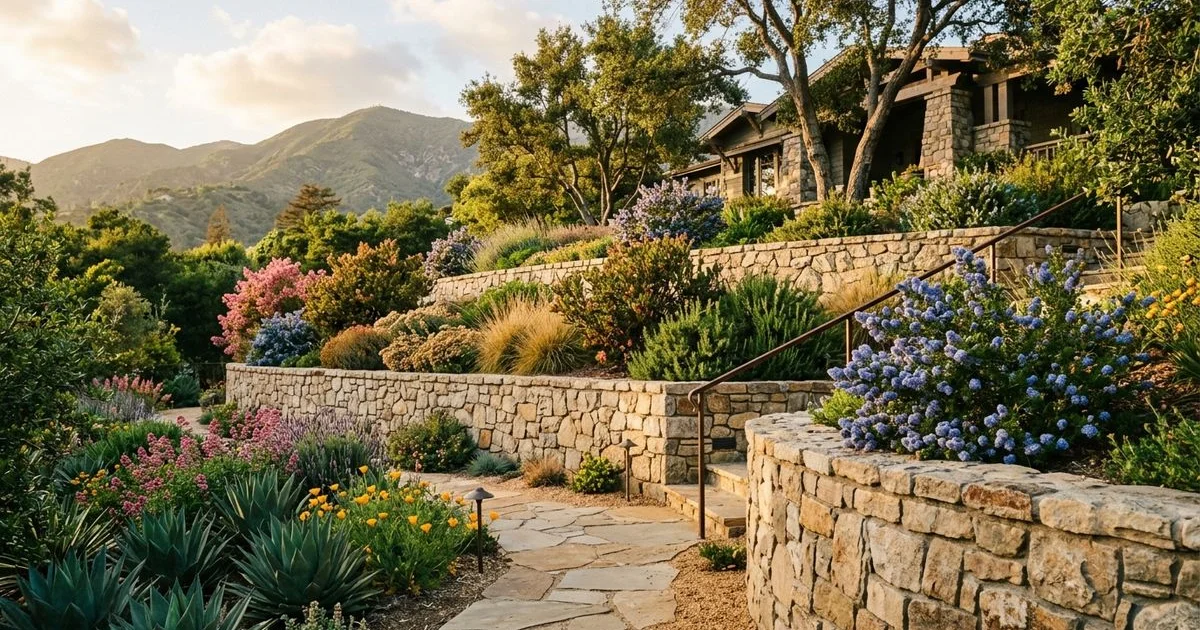
Color strategy matters in our sun. Mid to light tones minimize heat absorption. In modern outdoor living spaces, a platinum or limestone color with tight, shadowed joints checks out crisp without blinding glare. In shaded yards under oaks, a warmer blend hides leaf stain and mixes with decomposed granite or mulch bands.
If your project consists of artificial turf in Pasadena, avoid building a bowl that traps runoff on the turf. We frequently set grass flush with permeable pavers so water sheet flows across both and infiltrates uniformly. For little paver outdoor patios, a center panel of permeable pavers ringed by planters or xeriscape landscaping ties the area aesthetically while spreading infiltration area.
Subgrade preparation and the infiltration question
Permeable pavers perform only in addition to the subgrade below them. In Pasadena, the subgrade is typically a mix of compressed native and legacy fill from old projects. We remove organics, then bench and trim to plane. Compaction targets differ, but the objective is a firm, unyielding platform that still enables water to get in. On lots of domestic patios, we evidence roll and compact to a moderate density, then scarify the surface inch to resume pores prior to placing the tank stone. Overcompaction that polishes the soil kills infiltration, and undercompaction causes settlement. Field judgment matters.
For sluggish soils, we reduce the footprint loads by thickening the stone reservoir and adding an underdrain. The underdrain typically sits in a little trench at the base of the tank, wrapped in a narrow sleeve of material to avoid stone migration, and exits to daytime, a sump, or an approved tie-in. On sites with decent fall to the street, that outlet offers insurance coverage for the uncommon back-to-back storm bursts.
Filter fabric is not a cure-all. In between layers of tidy stone, we prevent fabric entirely. At the subgrade, we utilize it only when the local is sandy or silty sufficient to move up into the tank. Along edges, a vertical material drape can stop lateral soil intrusion without choking the base.
Craftsmanship on the surface
Laying permeable pavers utilizes the same geometry and pattern sense as traditional sets, with a couple of important differences. The bed linen layer is not sand, so you do not screed and drift in the same way. We strike the No. helpful resource 8 stone to an uniform density, set strings, and enjoy even small bulges that would telegraph. Edge restraint is non-negotiable. A solid concrete curb, hidden steel edging, or a stable wall course locks the field so joints do not creep.
Joint filling is fussy work. Clean, dry stone vibrates into location better, so we set up sweeping and compaction when the surface is dry. 2 or 3 passes with a plate compactor fitted with a protective mat generally settles the field, with extra joint stone swept up until joints are filled complete. Hosing is not an alternative to plate compaction. Water can assist rinse fines, but the vibration interlocks the system.
For driveways, we prefer thicker pavers and a blended pattern that breaks long joints. Herringbone resists automobile torque at tight turns. For a paver patio area in Pasadena that will host gatherings and furnishings, a running bond or three-piece modular pattern looks clean and gives simple cut designs at steps and seat walls.
Integrating walls, steps, and drainage
Permeable surfaces do not drift in seclusion. On tasks where we serve as a complete hardscape builder in Pasadena, the paver plane ties into seat walls, planters, steps, and occasionally maintaining walls. Step risers ought to consist of a little drip edge or a thin impenetrable band to keep water from saturating vertical faces. Behind low walls, we typically carry the open graded stone as a drain blanket connected to the paver tank. That way, water shed from the wall cap finds a path.
At door limits, we set a discrete direct drain or a dense border course that restricts infiltration versus the building. We then pitch the permeable field away at a mild 1 to 2 percent. Even permeable pavers require favorable slope. In older homes with low limits, stabilizing code compliant step heights with waterproofing makes sure. Mockups and laser checks avoid surprises.
Maintenance that house owners in fact do
The best maintenance strategy is the one you will follow. For permeable paving, two routines make the difference. Initially, vacuum sweeping or high efficiency sweeping one or two times a year clears sediment from the joints. We use a specialist grade vacuum on smaller sized patio areas and a ride-on sweeper for bigger driveways. Leaf blowers help day to day, but they do not extract fines buried in the joint stone. Second, keep surrounding landscape mulches and soil from washing onto the surface area. Simple edging, splash rocks at downspouts, and thoughtful grading stop most of the mess that obstructs joints.
We likewise tell clients to enjoy the first rains after installation. If you see water sheeting instead of disappearing within a few minutes, the surface might be compressed with construction dust or the joint stone may have settled. A quick service check out to top up joints and vacuum is a cheap fix. Discolorations raise from pavers with proper cleaners. Because the joints are stone, oil that would spread on concrete frequently isolates and is easier to treat.
Cost, scheduling, and permitting
On most domestic projects, permeable pavers expense decently more than conventional pavers. The open graded aggregates, extra excavation, and, when required, underdrains include product and labor. For a common 500 to 800 square foot outdoor patio, the difference often falls in between a couple of thousand dollars on the low end to more where gain access to is tight or export volume is high. When we stack value throughout the whole website, permeable paving can decrease or eliminate location drains, catch basins, and long pipeline runs. That saves product and future upkeep. For a driveway, the life process math normally favors permeable when you count the capability to reset areas and avoid slab replacement.
Permitting in Pasadena for hardscape frequently hinges on scope. New impervious area may activate strategy checks, while replacement in kind rarely does. We prepare basic drain diagrams that show flow arrows, seepage zones, and any underdrain discharge point. Inspectors like to see that water is handled purposefully and continued website to the extent feasible. If your project consists of a maintaining wall contractor part or major grade changes, expect a closer look and perhaps engineering. A coordinated submittal that covers patio area building, landscape drain, and garden landscaping details moves faster.
Scheduling takes weather and lead times into account. We avoid putting the bed linen stone or setting pavers simply ahead of a storm. The open reservoir is forgiving, however a heavy rain on a half constructed area can create ruts that take time to repair. Most outdoor patio sized permeable jobs total within 2 to 3 weeks as soon as demolition begins. Bigger driveways might run 3 to 5 weeks depending upon export and treating time for any concrete curbs or wall footings.
Case notes from regional projects
A household near the Linda Vista location had a cracked concrete driveway that developed into a shallow pond at the garage apron every January. The front yard sat a foot greater than the pathway, so we might not cut a deep swale to the street without constructing a small wall. We removed the slab, set up a 14 inch No. 57 stone reservoir with a low underdrain tied into an existing curb outlet, and set 80 millimeter permeable pavers in a herringbone pattern. During the first storm after completion, water taken in instead of backing up at the garage. 2 winters later on, they called us back not for repair work, however to extend the permeable band along the side lawn. The surface still looks even, and tire marks vanish with a fast rinse.
On an artisan cottage in Cottage Heaven, the homeowners wanted a paver outdoor patio that matched original brick detailing however were stressed over including overflow to a next-door neighbor's backyard. We used a tumbled permeable paver in a clay mix, added a soldier course of traditional thick pavers along the structure, and developed a low seat wall that doubles as a planter. The reservoir extended under the wall footing in a controlled method, functioning as a drain blanket. That yard, integrated with dry spell tolerant garden beds and artificial grass for the play area, now holds the majority of its rain. The client told us they used to learn mud to reach the garage. Now they walk on a dry, even surface area, and the lemon tree is happier with better soil moisture.
Integrating permeable pavers with the rest of the landscape
Permeable pavements are at their finest as part of an incorporated strategy. As an outdoor living contractor serving Pasadena, we typically create the entire space so that water, planting, and living locations work as a system. Xeriscape landscaping on the sunny perimeter decreases irrigation demands. A small rain garden receives overflow from the paver reservoir only in very heavy storms. Synthetic turf keeps play areas usable after rain without creating runoff. A modest maintaining wall setup can terrace a slope and mix with the paver palette.
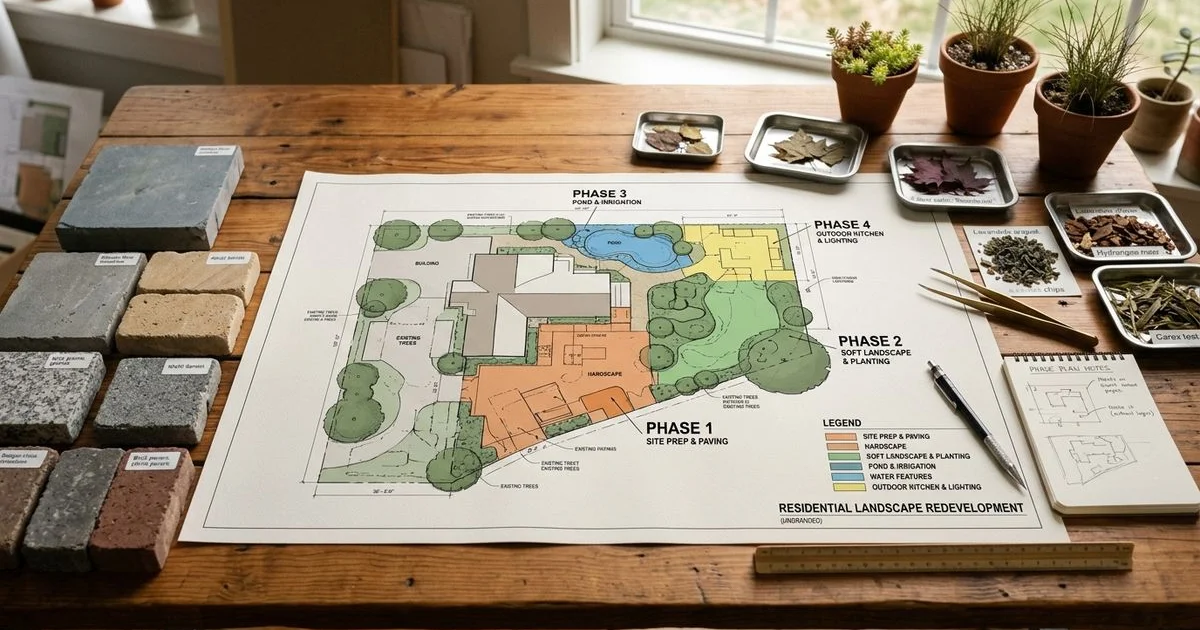
In front yard landscaping, municipalities are viewing walkway crossings carefully. Using permeable bands near the parkway edges assists with infiltration and dust control. Where driveways satisfy the sidewalk, attention to slopes and a stable edge avoids joint stone migration. In garden design, we break up big expanses of paving with planters that double as catchment zones. Guests discover the composition, not the stormwater strategy.
Choosing a professional and setting expectations
Permeable systems reward craft and penalize faster ways. Ask your hardscape business in Pasadena about their experience with open graded aggregates and underdrains. Demand references for permeable jobs a minimum of two years old. Try to find a team that talks conveniently about stone gradations, seepage testing, and upkeep. If your designer or patio area professional recommends sand in the bedding layer for a permeable set up, that is a red flag.
Expect clear communication about excavation volumes and export. The tank depth makes piles look large, and access on tight lots in older neighborhoods can slow things. A good crew protects roots, keeps dust down, and stages stone so daily clean-up is simple. Your contract ought to describe the edge restraints, paver density, joint aggregate type, and whether an underdrain is included. For outside living style in Pasadena, align the paving scope with other aspects like lighting, gas lines, and watering sleeves so the completed surface area does not get opened later.
A short homeowner list before you start
- Verify where water will go in a huge storm. Even permeable systems need an overflow course that does not cross a neighbor's line. Decide on an upkeep strategy. Budget for vacuum sweeping one or two times a year and keep a bag of matching joint stone on hand. Confirm paver thickness and pattern based on usage. Driveways normally require 80 millimeter units and patterns that withstand wheel torque. Align the paving edge with planting and turf grades. Prevent bowls and ensure irrigation and lighting avenue are sleeved under the field. Ask for an easy as-built sketch that shows reservoir depth, any underdrain, and discharge points for future reference.
The larger payoff
Well developed permeable paver installations change how a home performs. They turn rain from an issue into a possession, decrease the requirement for pipelines and pumps, and develop resilient, beautiful outdoor home. For much of our customers looking for high-end outdoor living in Pasadena, permeable paving matches the remainder of the site, from clean lined pools to intimate courtyards and fire functions. When paired with water wise plantings, thoughtful yard drainage, and the ideal materials, the outcome feels meaningful and calm.
Whether you approach this as a garden landscaping refresh, a paver outdoor patio upgrade, or a complete hardscape installation, the case for permeable systems in Pasadena rests on basic reasoning. Our climate swings in between dry and abrupt damp. Our soils are differed. Neighborhoods are worthy of peaceful, comfortable outdoor spaces that age well. Permeable pavers give you manage on all 3 fronts. And when the first huge storm of the season strikes, you will hear rain on leaves instead of water racing throughout concrete toward the curb. That is the kind of efficiency you see long after the team packs up.
Business Name: Ridgeline Outdoor Living
Address: 845 E Walnut St, Pasadena, CA 91101, United States
Phone: (626) 469-5822
Ridgeline Outdoor Living
Ridgeline Outdoor Living is a Pasadena-based landscape design-build company serving Greater Los Angeles with custom outdoor living, hardscape, and drought-tolerant landscape solutions. The company specializes in patios, retaining walls, outdoor kitchens, drainage, hillside projects, and turnkey landscape construction, handling projects from design and permitting through final build and warranty.
845 E Walnut St, Pasadena, CA 91101, USA
Business Hours:
- Monday – Saturday: 8:00 AM – 6:00 PM
- Sunday: Closed
Follow Us: